1. Latest Price Trends & Technical Analysis
Cardano (ADA) has recently shown significant upward momentum, breaking out of a multi-month descending channel. In mid-July, ADA surged from its yearly low around $0.55 to a high of $0.90, marking its highest level since May. Currently, the price is consolidating between $0.82 and $0.85, demonstrating resilience after the breakout. On the technical chart, ADA has flashed multiple bullish signals, notably the weekly golden cross (50-week MA crossing above the 200-week MA), which emerged in early July and is considered a strong indicator of a long-term trend reversal.

On the daily chart, a short-term golden cross also formed in July (20-day MA crossing above the 50-day MA). Meanwhile, the MACD line has crossed above the signal line, and the histogram has turned positive, indicating renewed bullish short-term momentum. ADA’s Relative Strength Index (RSI) also climbed above 70, entering overbought territory, suggesting the potential for a short-term pullback or consolidation to cool off overheated momentum.
In terms of price structure, ADA is now trading near key support and resistance levels. Support-wise, holding the $0.82 level will be crucial for maintaining bullish sentiment, as this is the level retested after the breakout. If $0.82 fails, the next support zone lies at $0.68–$0.72, a previous consolidation area. On the upside, the $0.90 mark remains a strong resistance, having rejected price several times recently. If ADA manages to close above $0.90, the psychological barrier of $1.00 will come into play. In the medium term, analysts note that a break above $1.14 could trigger a broader bullish breakout, potentially paving the way toward the $2.00 level.
Notably, ADA's 3-hour chart has displayed bullish formations such as broadening wedges and cup-and-handle patterns, providing optimistic signals for price continuation. However, in the near term, the overbought RSI suggests caution and the need to monitor the $0.82 support level for validity.
On the volume side, ADA's recent rally has been supported by strong inflows. As of mid-July, open interest in ADA derivatives surged 31% in 24 hours to reach $1.66 billion, while daily trading volume nearly doubled to $5.77 billion. On-chain whale activity also spiked: on July 19 alone, over 137 large transactions (each exceeding $1 million) were recorded, indicating active accumulation by large holders. This surge in volume and whale involvement confirms strengthening bullish momentum. That said, investors should keep an eye on whether volume can sustain to push ADA past the current resistance band. A successful breakout above $1.00 with volume confirmation would likely mark the end of ADA’s multi-year downtrend and usher in a new upward cycle.
2. On-Chain Analysis: Network Activity & Whale Behavior
On-chain data shows that Cardano's network activity has been recovering in recent months. The number of daily active addresses has stabilized at around 30,000, indicating a steady level of user participation in the ecosystem. In terms of transaction count, Cardano processed an average of 92,000 on-chain transactions per day in Q2 2025. While still trailing behind Ethereum’s 2.1 million daily transactions, this marks a clear year-over-year improvement for Cardano. Similarly, the number of new addresses is trending upward, suggesting a growing influx of new users, likely driven by expanding DeFi use cases and ecosystem development.
The most critical on-chain signal remains the behavior of large ADA holders (whales). In Q2 2025, whales holding between 100 million and 1 billion ADA reduced their holdings — notably, in mid-April, they offloaded 170 million ADA worth approximately $106 million in just one week. This selloff reflected a lack of confidence in market conditions at the time and contributed to a temporary price dip and a drop in sentiment, with Santiment’s social sentiment index falling to -0.20 (bearish territory).

However, sentiment reversed by late June, as whale wallets began accumulating ADA again at lower prices. According to on-chain data from CoinMarketCap, wallets holding 1 million to 10 million ADA collectively acquired 120 million ADA (worth roughly $3.3 billion) in a two-week span from June 25 onward. Simultaneously, about 70.92% of ADA supply remained dormant in long-term holding addresses, suggesting a strong holder base and reduced circulating supply — both of which are bullish signs for price stability.
These dynamics indicate a clear shift in whale behavior, from selling into weakness to accumulating on dips, and that smart money is regaining conviction in ADA's prospects.
The DeFi side of Cardano’s ecosystem further reinforces this optimism. Total Value Locked (TVL) in Cardano-based DeFi protocols has risen steadily throughout 2025, building on strong 2023–2024 growth. According to DeFi Llama, Cardano’s TVL jumped from $180 million at the start of the year to $374 million — more than doubling in a year and reaching a new local high since May.
Leading Cardano DeFi projects — including Minswap (DEX), Indigo (stable assets protocol), and LiQwid (lending platform) — have all seen increases in user activity and liquidity. At the same time, the market cap of stablecoins on Cardano also recovered — from a recent low of $31.1 billion to $32.1 billion in July’s second week — highlighting a return of funds to the ecosystem.
These metrics counter the long-standing critique that “Cardano lacks on-chain usage.” In fact, current data shows Cardano is experiencing a revival in both user activity and capital deployment.
In summary:
Whales are buying again — a bullish sign.
Active addresses and new wallet growth suggest rising adoption.
TVL growth confirms Cardano’s DeFi is maturing.
However, compared to leaders like Ethereum and Solana, Cardano’s absolute on-chain activity still lags behind.
For instance, Ethereum has over 3,200 monthly active developers, while Cardano has around 720. Ethereum also vastly outpaces Cardano in daily transaction count and DApp usage. This means Cardano’s future growth hinges on continuing to improve its on-chain metrics, especially through DeFi innovation and ecosystem expansion that drives real user retention.
3. Recent News Impact on ADA Price
A wave of high-profile news events has significantly influenced ADA’s market performance in recent months. Among them, the most impactful was the controversy over Cardano’s treasury funds and the ensuing debate over project transparency and governance.
In May 2025, an NFT artist accused Cardano founder Charles Hoskinson of using a so-called “Genesis Key” to manipulate the blockchain ledger and allegedly siphon $600 million worth of ADA from the Cardano treasury. The allegation quickly went viral across the community, raising serious concerns about governance integrity.
Hoskinson responded vehemently denying the claims, calling them "pure FUD" (fear, uncertainty, and doubt). He explained that the disputed transaction actually dated back to the 2021 Allegra hard fork, involving a 318 million ADA transfer. Most of those tokens were claimed by original buyers within a 7-year redemption window, and the remaining unclaimed ADA was donated to Intersect, a governance organization — not retained by IOG, his company. Hoskinson stated on X (formerly Twitter):
“IOG has never kept 350M unclaimed ADA for itself. That’s a lie.”
He also said he felt “deeply hurt” by unfounded community skepticism. To restore trust, he announced that an independent audit would be conducted, and the results made public.
As of July 19, Hoskinson confirmed that the audit draft was complete and undergoing final review. The full report is expected to be released in mid-August and will include historical sales documentation and public access via a dedicated website. If the report validates Hoskinson’s explanations, it could help restore community confidence and remove a lingering overhang from the ADA price. On the flip side, any further ambiguity or concerns could reignite market skepticism, making the audit release a key inflection point for ADA in the coming weeks.

Regulatory developments have also played a major role in ADA’s recent price movement. The U.S. SEC has historically targeted ADA: in June 2023, the SEC named ADA as a potential unregistered security in lawsuits against Coinbase and other exchanges. This caused ADA to tumble sharply, and some U.S. trading platforms even delisted ADA.
However, since then, U.S. legislative momentum has shifted positively. In July 2025, the U.S. House of Representatives passed two landmark crypto bills:
The GENIUS Act (a regulatory framework for USD-backed stablecoins), and
The Clarity Act, which aims to clearly distinguish securities from commodities in digital assets — thus potentially limiting the SEC’s jurisdiction.
If these bills become law, it would end ADA’s regulatory gray zone, especially if the Clarity Act explicitly categorizes ADA as a commodity or utility token. This would pave the way for institutional investors to enter with confidence.
Indeed, ADA’s sharp 18% rally in early July was widely attributed to the passage of these bills and to Hoskinson’s publicly bullish statements, including predictions that the crypto market would grow to $10 trillion, with Cardano positioned as a U.S.-compliant leader. Whale accumulation during this period accelerated in response to renewed optimism.
On the community and development front, Cardano’s governance and transparency efforts continue. In Q1 2025, Cardano executed the “Plomin” hard fork, introducing on-chain governance mechanisms that allow the community to directly vote on protocol upgrades — a unique feature compared to Ethereum or Solana.
In July, the Cardano Foundation also launched “Reeve”, a blockchain-based financial reporting tool targeting ESG (Environmental, Social, and Governance) initiatives and public institutions, signaling real-world utility expansion.
While these events didn’t trigger major price swings, they have strengthened Cardano’s fundamentals and long-term investor confidence.
Summary:
The audit controversy introduced short-term FUD but may ultimately enhance trust if resolved transparently.
U.S. legislative progress (GENIUS & Clarity Acts) is a potential game-changer that could de-risk ADA for institutions.
Hoskinson’s messaging and Cardano’s governance upgrades reinforce its identity as a secure, regulation-friendly chain.
Together, these narratives have shaped ADA’s price action in recent months — from weakness in May to a strong breakout in July. Going forward, the audit release and further regulatory developments will be key catalysts for ADA’s next major move.
4. Impact of Macroeconomic and Policy Factors on ADA Price
Macroeconomic and regulatory conditions have always been crucial indicators for the crypto market, and ADA is no exception. In the current global financial landscape, several macro variables are particularly relevant for ADA investors:

Federal Reserve Interest Rate Policy
Over the past two years, the Fed’s aggressive rate hikes pushed risk-free interest rates higher, putting downward pressure on risk assets broadly. However, entering 2024–2025, peak inflation has begun to decline, marking the tail end of the tightening cycle. In both June and July 2025, the Fed held rates steady at 4.25%–4.50%.
While June’s U.S. CPI rebounded to 2.7%, keeping the Fed cautious on rate cuts, the market still expects small cuts in late 2025 to counter economic slowdown. The Trump administration is also reportedly pressuring for rate cuts (including rumors of replacing the Fed chair). Should the Fed shift toward an easing cycle, liquidity will improve, benefiting crypto assets like ADA. Conversely, persistent inflation or a recession could trigger risk-off sentiment, negatively impacting crypto. For now, the Fed's stance has shifted from 2022–2023’s hawkish tone to neutral, creating a marginally positive monetary environment for ADA’s mid- to long-term prospects.
Stablecoin Regulation
Stablecoins serve as a key bridge between crypto and fiat. Regulatory movements—particularly the U.S. GENIUS Act—are under the spotlight. This act mandates that stablecoins like USDT and USDC be backed 1:1 by cash or Treasuries and disclose reserves monthly.
If enacted, compliant stablecoins will gain official recognition, likely attracting traditional capital into crypto, indirectly benefiting ADA through expanded capital inflow. However, decentralized or algorithmic stablecoins could face pressure or exit. Long term, clear regulation enhances investor confidence and strengthens the industry. Notably, Cardano is actively building its stablecoin ecosystem, partnering with Ripple to bring RLUSD onto its chain. Successful integration would boost Cardano’s DeFi liquidity, making stablecoin policy not only an external catalyst but also a direct driver of ADA's ecosystem growth.
U.S. Election and Policy Outlook
The 2024 U.S. presidential election and its aftermath are key variables. Assuming Trump’s reelection—which aligns with the pro-crypto legislative momentum observed in 2025—the U.S. may pursue crypto-friendly policies, loosening regulations and encouraging blockchain innovation. This would benefit assets like ADA, perceived as compliant and U.S.-friendly.
However, political instability or partisan conflict over crypto laws could cause market volatility. For instance, Congress recently passed a bill banning a Fed-issued CBDC, citing privacy concerns—highlighting continued divergence between parties. These policy intentions shape market sentiment and could directly affect ADA’s performance.
Global Macro Trends and Risk Sentiment
Beyond the U.S., global economic health and geopolitical risks also influence ADA. If global recovery continues and commodity prices stay stable, the risk environment will improve, supporting crypto. But if surprises like a regional banking crisis arise, investors may seek safety in BTC, leaving smaller assets like ADA sidelined.
Moreover, the U.S. dollar’s strength plays a role: a weaker dollar often lifts dollar-denominated risk assets like crypto. Therefore, key macro indicators to monitor include inflation, interest rates, exchange rates, and global coordination. As of now, with slowing inflation, dovish central banks, and regulatory clarity, the overall backdrop looks constructive for ADA. Still, investors should remain alert to shifts in these variables.
5. Comparison with Other Public Chains: Performance, Ecosystem, and Development
As a third-generation blockchain, Cardano is frequently compared with other major platforms like Solana, Avalanche, and Ethereum. Below is a breakdown across key dimensions:
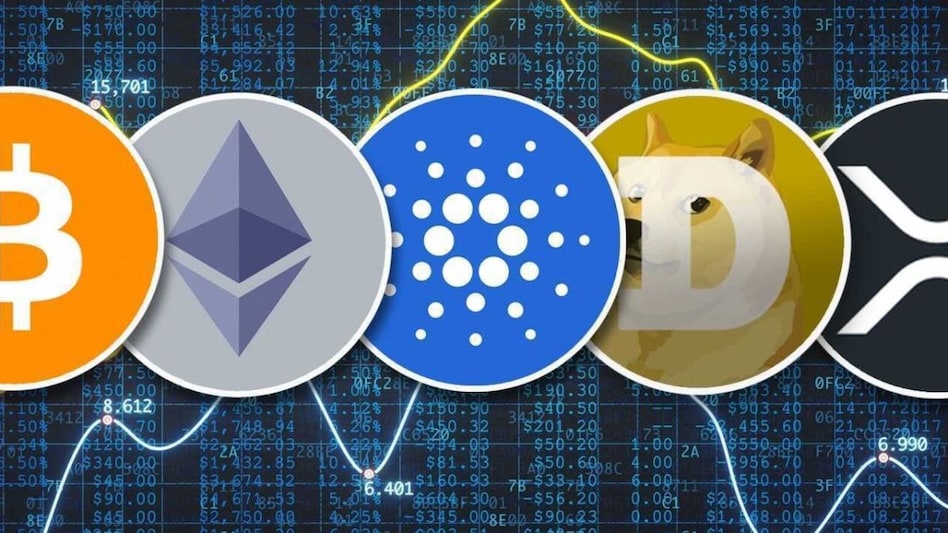 Performance & Architecture
Cardano uses PoS consensus and a layered architecture, emphasizing security and decentralization. Its current theoretical throughput is ~1,000 TPS, with real-world rates in the tens per second. In contrast:
Solana claims 65,000 TPS, with real-world spikes in the thousands.
Avalanche’s C-Chain supports ~4,500 TPS and scales via subnets.
Ethereum mainnet (post-Merge) handles 20–30 TPS, but Layer-2 rollups now bring total throughput into the hundreds.
Cardano is developing Hydra, a Layer-2 scaling solution using state channels to parallelize processing. Though rumors suggest millions of TPS, developers have clarified that’s unrealistic. A more reasonable expectation is tens of thousands of TPS as Hydra matures.
While Cardano’s block time is ~20 seconds—slower than Solana (400ms) and Avalanche (~1s)—its network stability is unmatched, with no major outages, unlike Solana’s multiple network halts.
Developer Activity
Cardano is known for research-driven development, with a staggering 21,439 commits in the past year, even surpassing Ethereum’s 20,752. It frequently ranks top 3 in Santiment’s developer activity charts. However, broader metrics show:
Cardano has ~720 monthly active developers
Ethereum has ~3,200
Ethereum has 130K+ GitHub repositories vs. Cardano’s more modest ecosystem
This gap reflects Ethereum’s longer maturity and developer adoption, though Cardano is improving accessibility with Aiken language and Plutus upgrades. Solana, using Rust, also has high activity but with steeper onboarding.
In short, Cardano is deep in core innovation but still catching up in ecosystem breadth.
TVL & Ecosystem Development
In DeFi Total Value Locked (TVL):
Ethereum dominates with ~$80B–100B
Solana has recovered to ~$8B–10B post-FTX collapse
Avalanche sits at ~$1.8B–2B
Cardano has surged to ~$370M, still relatively small but rapidly growing
Cardano's DeFi ecosystem emerged post-2022, with projects like Minswap, Djed, and Indigo leading the charge. Its staking rate (~70% of circulating ADA) is often seen as “implicit TVL”, showcasing user trust even if not directly used in DeFi.
Ecosystem Differentiation
Ethereum: Broadest coverage (DeFi, NFTs, DAOs, L2s)
Solana: Focuses on games, NFTs, and high-performance apps (but prone to outages)
Avalanche: Uses Subnets for app-specific chains (e.g., gaming, institutions)
Cardano: Prioritizes formal governance and decentralization
Cardano is transitioning from Goguen (smart contracts) to Basho (scalability) and Voltaire (governance) stages. The Plomin hard fork initiated on-chain voting, where ADA holders will control treasury decisions—unlike Ethereum’s foundation-led upgrades.
Cardano is also exploring ZK proofs and AI integration, plus real-world adoption via partnerships with governments and enterprises—setting it apart from Solana’s crypto-native focus.
In summary: if you value tech reliability and governance, Cardano is attractive. If you seek rich DApp ecosystems and cutting-edge performance today, Ethereum or Solana may be more compelling.
6. Price Outlook: Future Scenarios
Based on institutional insights, model forecasts, and past cycles, here’s an outlook for ADA’s price:
 Short to Medium Term (Next Few Months)
Analysts are cautiously optimistic about ADA for the rest of 2025. After climbing above $0.80 in July, momentum has turned bullish. If macro conditions stay supportive, ADA may push toward $0.95–$1.10 in Q3.
CoinCodex’s AI model projects a range of $0.71–$1.06 for August.
Changelly sees potential for $1.05 highs by year-end.
However, $1 remains a key psychological and technical resistance due to past selling pressure. ADA may consolidate between $0.70–$1 before any clean breakout.
Historically, ADA has shown parabolic gains post-breakouts (e.g., $0.02 → $1.33 in 2017; $0.03 → $3.10 in 2021), followed by deep corrections. This suggests ADA is still in early recovery, and further upside may require time and repeated tests of resistance.
Medium to Long Term (2025–2026)
Many institutions see strong upside potential:
Bitcoin’s 2024 halving may spark a new bull phase by late 2025–2026, historically favorable for altcoins.
Cryptopolitan projects ADA may retest $3, its previous all-time high, if institutional inflows continue.
Optimists forecast $5+, assuming industry-wide growth.
Crucially, Cardano must scale its ecosystem and user base to justify new highs. Early signs are promising: $73M in institutional inflows have entered ADA products in 2025. If a Cardano ETF is approved (with Bloomberg analysts assigning a 75% chance), this could unlock significant capital.
That said, competition from newer chains (like Aptos or Sui) could limit ADA's upside if it fails to keep pace.
Scenario Summary:
Bull Case: Favorable macro, successful upgrades, ecosystem boom → ADA targets $3–$5
Base Case: Moderate growth, ecosystem builds slowly → ADA ranges $1–$2
Bear Case: Market downturn or ecosystem stagnates → ADA struggles below $1
Key levels to watch: $1.5 (cycle midpoint), $3 (ATH). Breakouts could trigger large rallies, but investors are advised to manage leverage and risk carefully until a clear trend emerges.
7. Conclusion: Investment Risks and Opportunities of ADA
Drawing on the above analysis, Cardano (ADA)—as a top-10 crypto asset by market cap—offers both distinct technological advantages and ecosystem potential, while also facing intense competition and multiple uncertainties. For investors, ADA currently presents several noteworthy opportunities:
1. Improving Technology and Fundamentals
Cardano has made steady progress over years of development, with major upgrades in decentralized governance and Layer-2 scalability (Hydra) approaching implementation. These advancements reinforce ADA’s long-term value proposition. If the ecosystem continues to thrive—particularly with cross-chain stablecoin integration and more on-chain applications—ADA stands to benefit from the resulting ecosystem expansion.
2. Warming Market Sentiment and Capital Inflows
Both macroeconomic and regulatory trends have recently shown signs of improvement, encouraging institutional capital to re-engage with the crypto space. ADA’s July price rally was accompanied by increased whale accumulation and trading volume, indicating growing Smart Money interest. As long as the broader Bitcoin-led bull market continues, ADA—as a leading altcoin—has a high likelihood of gaining from capital rotation within the market.
3. Reasonable Valuation and Significant Upside
Compared to its previous bull market peak, ADA remains over 70% below its all-time high. With a current market cap of around $30 billion, ADA is still significantly undervalued relative to giants like Ethereum. If Cardano’s ecosystem can prove its utility and adoption, ADA could have substantial upside potential. While realization depends on both market dynamics and project execution, the mid- to long-term reward/risk outlook remains compelling in an ideal scenario.

At the same time, investors must also stay aware of the associated risks and exercise disciplined judgment:
1. Competitive Risk
The blockchain space evolves rapidly, with new technologies and next-gen chains constantly emerging. Cardano faces ongoing pressure from Solana, Avalanche, and even newer entrants. If Cardano lags behind in developer acquisition or user adoption, it risks being marginalized. The current limited scale and activity of its ecosystem remains a concern that should not be overlooked.
2. Regulatory and Legal Risk
Although U.S. regulation is moving toward clarity, the path is not yet finalized. ADA remains exposed to policy shifts and regulatory reinterpretations. For example, if regulators were to classify ADA as a security, it could face exchange delistings and investment restrictions, negatively affecting price. Fortunately, the likelihood of this extreme scenario is diminishing as legislation progresses.
3. Market Volatility Risk
Crypto assets are inherently volatile. Historically, ADA has experienced sharp rallies and deep corrections, making it easy for inexperienced investors to buy high and sell low due to emotional swings. Even with a positive outlook, investors should be prepared for potential 50%+ drawdowns and avoid excessive leverage, reducing the risk of forced liquidation in turbulent markets.
4. Execution Risk
While Cardano is known for its methodical and rigorous approach, this sometimes translates into slower-than-expected progress. If future development or governance becomes hindered—due to critical bugs, security incidents, or internal gridlock—investor confidence could erode. The recent audit controversy serves as a reminder that reputation is fragile, and any loss of trust may directly impact market valuation.
Final Thoughts
ADA, as a well-established and philosophically distinct public chain project, now stands at a critical transition from bear to bull market. It holds core elements of a long-term value investment: sustained development, a loyal community, a clear roadmap, and growing institutional and governmental engagement.
However, opportunity must be approached with rationality. For intermediate to advanced investors, ADA should be allocated based on one’s risk tolerance, while maintaining close monitoring of technical and fundamental developments. Stay calm during periods of hype, and equally, avoid panic in downturns.
As Cardano’s founder often emphasizes, rumors and emotions may cloud short-term perception, but it is real-world utility and solid execution that determine the project’s ultimate fate. Therefore, investing in ADA requires both the courage to embrace innovation and the discipline to manage volatility. Only with this mindset can one navigate the opportunity-rich yet risk-laden crypto landscape and emerge resilient.
(Disclaimer: The above content is for market observation and research reference only and does not constitute investment advice. Trading crypto assets involves high risk. Readers are advised to carefully assess their own risk tolerance before making any investment decisions.)
References
- Cardano's ADA Price Surges 18% Amid Bullish Sentiment and Whale Activity
- Cardano News: Why is ADA’s price up today? | CoinMarketCap
- COINTURK NEWS - Bitcoin, Blockchain and Cryptocurrency News and Analysis
- Cardano (ADA) On Track for $3: Could Institutional Momentum Make MAGACOIN FINANCE, PI, and KAS Top Gainers of 2026?
- Cardano (ADA) Price Prediction July 2025: Can ADA Break $100 This Bull Cycle?
- Ethereum vs. Cardano Statistics 2025: DeFi, NFTs, etc. • CoinLaw
- Cardano Whales Drive Price Drop After Selling 170 Million ADA
- Hoskinson promises audit, is ‘deeply hurt’ by $600M Cardano treasury claims
- Cardano Audit Report On Track For Mid-August Release
- US House passes stablecoin legislation, sending bill to Trump | Reuters
- Fed's rate-cut delay intact as inflation fears override Trump pressure | Reuters
- How Do Interest Rates Impact Crypto Prices? (2025) - CoinLedger
- Cardano Hydra: How Does It Work? - DailyCoin
- Cardano Surpasses Ethereum in Developer Activity: What It Means for Blockchain Innovation | OKX United States
- All Chains DeFi TVL - DefiLlama
- Cardano (ADA) Price Prediction 2025 - 2030
- Charles Hoskinson on X
The final interpretation right belongs to UEEx official.
Comments
0 comments
Article is closed for comments.